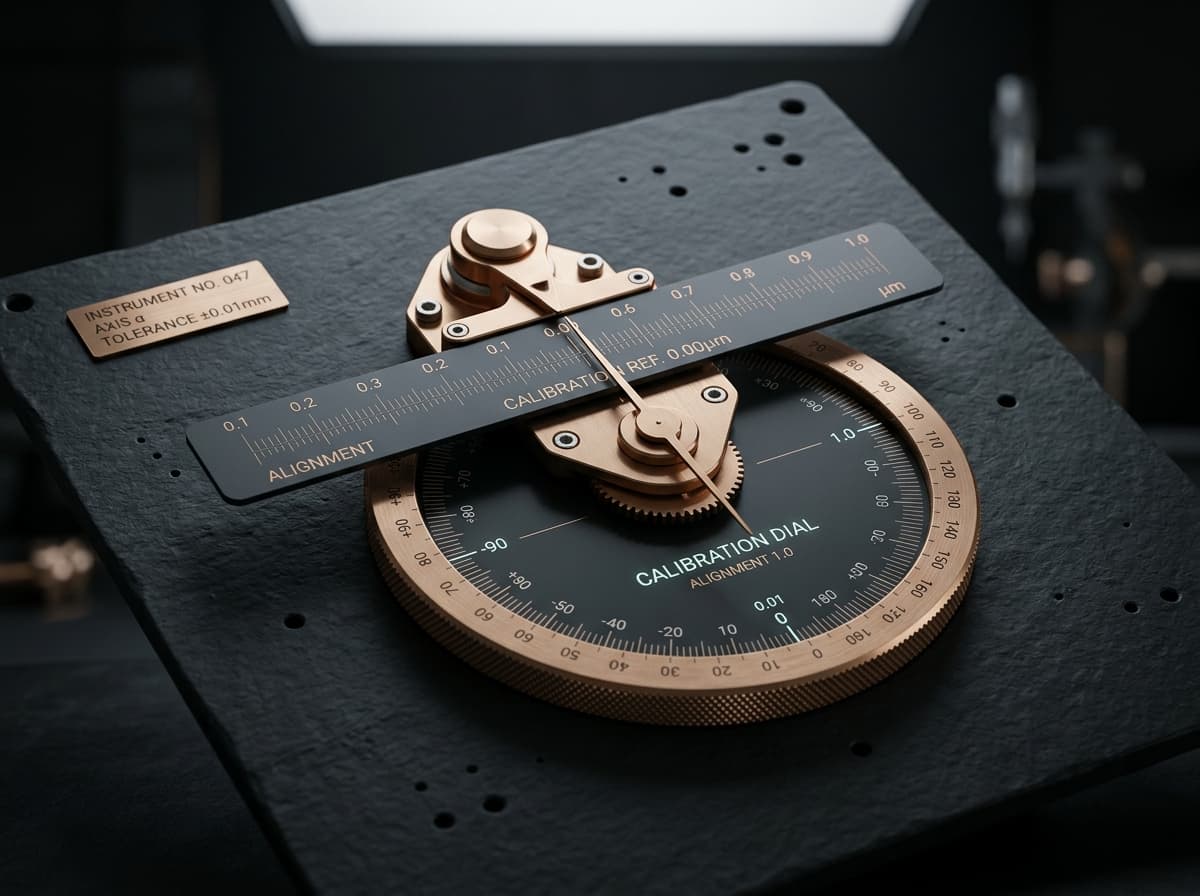
Every project begins with a slate desk and a clean sheet of heavy cotton paper. We do not use automated drawing utilities.
The act of drafting is a slow, tactile process where lead weight and line thickness represent the weight and presence of the future mechanism. Using traditional T-squares, brass dividers, and micro-calipers, we map out every view and link in full scale. These drawings are not mere instructions; they are the initial testing ground where spatial conflicts are resolved and geometric balances are finalized. The resulting schematics remain fastened to the workshop bench, guiding every turn of the manual lathe.
Technical Alignment Data
TOLERANCE THRESHOLD:
Zero-clearance fitting limit
SURFACE FINISH:
Hand-scraped anthracite graphite
DRIVE METHODOLOGY:
Suspended counterweights & pull-anchors
ENERGY SOURCE:
Local gravity / manual winding intervals
REGISTRY LIFETIME:
Indefinite structural warranty